Skip the Big Hub: How Landing at the 'Other' Airport Can Slash Your Airfare by Hundreds
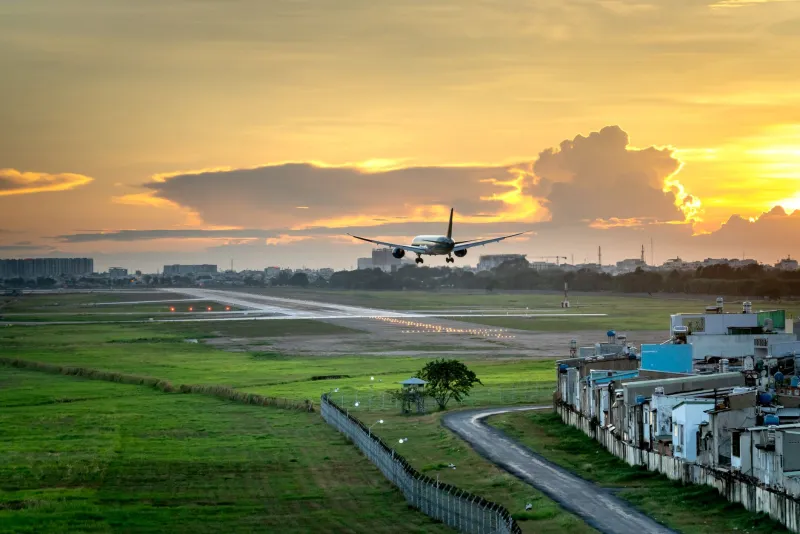
There's a moment every budget traveler knows well. You've found a fare that looks almost right — then you notice the airport code. MDW instead of ORD. OAK instead of SFO. Your first instinct is to click away. Your second instinct should be to slow down and do the math, because the alternate airport game is one of the most reliable money-savers in US air travel.
Why the Secondary Airport Exists in the First Place
Secondary airports aren't an accident. When legacy carriers consolidated their operations at major hubs, low-cost airlines needed somewhere cheaper to land. Landing fees, gate leases, and terminal costs are dramatically lower at places like Chicago Midway, Dallas Love Field, or Houston Hobby — and carriers like Southwest built entire business models on those savings. Some of that discount gets passed to you.
The result? For the same metro area, sometimes on the same day, the fare difference between the big-name airport and its smaller sibling can run $100 to $300 per person, round trip. On a family of four, that's a real vacation line item.
The Big Matchups, Ranked by Real-World Savings
Chicago: Midway vs. O'Hare. This is the classic. Southwest and a handful of others dominate Midway, and fares routinely undercut O'Hare on comparable routes. Both airports have rail connections to downtown — the Orange Line from Midway, the Blue Line from O'Hare — so the ground-cost penalty is nearly zero. This is the easiest win in the alternate airport playbook.
San Francisco Bay Area: Oakland and San Jose vs. SFO. SFO sits on the southern edge of the Bay, which means OAK and SJC are often just as convenient depending on where you're actually headed. BART runs directly into Oakland's terminal. If you're staying in the East Bay or Silicon Valley, the 'secondary' airport is arguably the primary one.
Los Angeles: Burbank, Long Beach, and Ontario vs. LAX. LAX is famously miserable — traffic, crowds, circling for parking. Hollywood Burbank is small, fast, and frequently cheaper on Southwest and Avelo. If your destination is the Valley, Pasadena, or anywhere east of downtown, you may save both money and an hour of your life.
Dallas: Love Field vs. DFW. Love Field is closer to downtown Dallas than DFW is, and it's a Southwest fortress. The fare gap here can be significant, especially on nonstop routes where Southwest competes.
Washington, DC: BWI vs. DCA and IAD. DCA is convenient but pricey — it's the airport business travelers and lobbyists want. BWI, on the MARC/Amtrak line, regularly undercuts both, sometimes by $150 or more round trip.
New York: The Boroughs Game. LaGuardia, JFK, and Newark get all the attention, but Long Island's Islip (ISP) and even Westchester occasionally offer serious discounts on budget carriers. The trade-off is longer ground time, so the math matters more here.
The Framework: How to Run the Real Numbers
A cheaper ticket isn't automatically a cheaper trip. Before you book, work through four steps:
1. Compare the base fares. Pull both airports for your dates, same airline class, same baggage needs. Note the difference.
2. Price the ground transportation. Look up actual costs, not guesses: rideshare estimates from each airport to your hotel, transit fares, parking, or rental car rates (which sometimes differ by location). In cities where the alternate airport lacks rail service, a $40 rideshare each way can erase a $60 fare gap.
3. Add the time cost. An extra 45 minutes of driving matters more on a two-day trip than a two-week one. If you're traveling with kids or on a tight schedule, weigh it honestly.
4. Factor in the hassle premium — in reverse. Smaller airports often mean shorter security lines, easier pickups, and less walking. Many travelers find the 'inconvenient' airport is actually the more pleasant experience. That has value, even if it doesn't show up on a receipt.
The final calculation is simple: fare savings minus ground costs minus time penalty equals your real savings. If that number is positive and meaningful — say, $75 or more per person — book the alternate.
When the Big Airport Is Actually the Better Deal
Don't assume secondary always wins. Legacy carriers occasionally run sales out of their hub airports that undercut the budget carriers. International connections can also favor the major hub, since rechecking bags or tight layovers are easier where the airline has a full operation. And if a fare out of the primary airport comes with a better flight time that saves you a hotel night, that's savings too.
The One-Search Shortcut
Here's the good news: you don't have to check six airports manually. Most modern flight search tools — including ours at SkyDeal Fares — let you search metro-wide codes (like 'CHI' or 'all airports in LA') or compare nearby airports side by side in a single search. Set the fare difference threshold in your head, filter by the total trip math you did above, and let the deals surface themselves.
The bottom line: the airport code on your ticket is a pricing lever, not a destiny. The next time a fare looks too good to be true because it lands 'somewhere else,' do the four-step math. More often than you'd expect, that somewhere else is exactly where you want to be — with a couple hundred dollars still in your pocket.