Same Plane, Wildly Different Prices: How Airlines Decide What You Pay

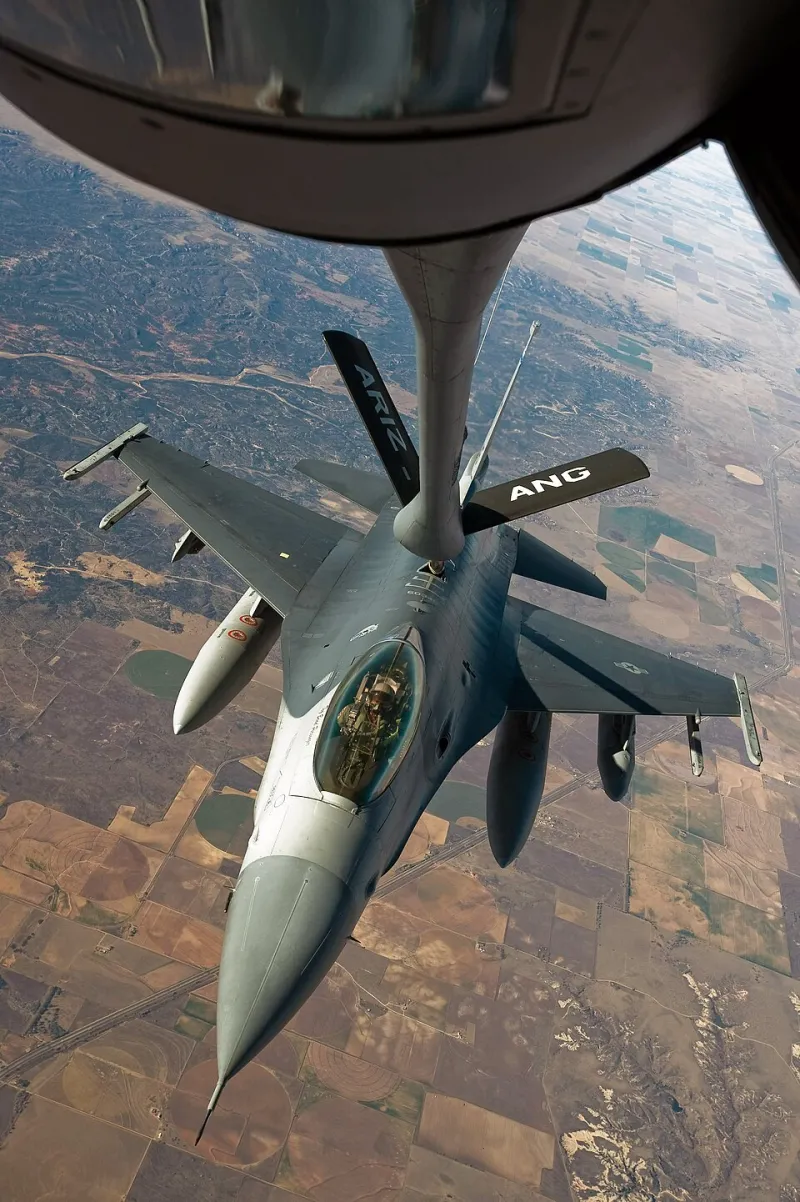
Photo: Simons/Staff Sgt., Public domain, via Wikimedia Commons
Picture this: You're crammed into 24B on a Tuesday afternoon flight from Chicago to Miami. The guy next to you — same destination, same departure time, same plastic cup of ginger ale — casually mentions he snagged his ticket for $89. You paid $214. Both of you booked last week.
How is that even legal?
Short answer: it's completely legal, and it's happening millions of times a day across every major airline. Welcome to algorithmic dynamic pricing — the invisible auction that runs every time you search for a flight.
The Machine Behind the Price Tag
Airlines don't price seats the way a grocery store prices cereal. There's no sticker on the shelf that stays the same all week. Instead, carriers run sophisticated revenue management systems that recalculate fares constantly — sometimes hundreds of times per day per route.
These systems pull from a staggering amount of data. How many seats are left on the flight. How far out the departure date is. How many people searched that route in the last 24 hours. What competing airlines are charging. Whether demand is trending up or down. Historical booking patterns for that specific flight number on that day of year.
The algorithm's job is simple: squeeze as much revenue as possible out of every single seat. It's not personal. It's math.
But here's where it gets personal for you: the system also factors in signals from your browsing behavior.
You're Being Watched While You Shop
Every time you search for a flight on an airline's website — or even many third-party booking platforms — you leave a trail. Cookies track that you've looked at the Dallas-to-Seattle route three times this week. The algorithm notices. Some pricing engines interpret repeat searches as urgency signals, which can trigger higher prices on subsequent visits.
Is it definitively proven that airlines raise prices every single time you search? The evidence is mixed, and airlines deny targeting individual users. But the pattern is well-documented enough that travel insiders have been recommending incognito mode for years — and there's a reason that advice stuck around.
Beyond cookies, your device type can matter too. Studies have shown that Mac users have been shown higher hotel prices than PC users on certain platforms. Airlines operate in a similar space. If your device signals a higher income bracket, some systems may test whether you'll bite at a premium price point.
The fix is straightforward:
- Always search for flights in a private or incognito browser window
- Clear your cookies before returning to a fare you've already checked
- Try the same search on a different device if a price seems suspiciously high
- Use multiple comparison tools — Google Flights, Kayak, and the airline's own site — rather than relying on one source
The Day You Book Matters More Than You Think
The calendar is one of the most underrated pricing levers airlines use. Demand to search for flights spikes on certain days, and that demand directly feeds into pricing pressure.
Historically, Tuesday and Wednesday afternoons have been sweet spots for finding lower domestic fares. The logic: airlines often release sale fares early in the week, competitors match them, and by midweek the market settles at a temporarily lower equilibrium. By Friday, leisure travelers are actively booking weekend getaways and prices creep back up.
That said, the industry has gotten more sophisticated. These patterns shift, and no single rule works forever. The smarter play is to check fares across multiple days of the week over a two-week window, rather than assuming Tuesday is always your golden ticket.
For the flight itself, flying on Tuesday, Wednesday, or Saturday tends to be cheaper than Thursday, Friday, or Sunday — the days business travelers and weekend warriors flood the market.
How Far Out You Book Changes Everything
The sweet spot for booking domestic flights in the US typically falls somewhere between three weeks and three months before departure, depending on the route and season. Book too early and you're paying a premium before the airline has any real pressure to fill seats. Book too late and scarcity pricing kicks in hard.
For popular holiday travel — Thanksgiving, Christmas, spring break — that window shifts earlier. Waiting until six weeks out for a Thanksgiving flight is a gamble that rarely pays off.
For off-peak travel on less competitive routes? Last-minute deals are still very real. Airlines would rather fill a seat at $99 than fly it empty at $0. If your schedule is flexible, watching fares in the final two weeks before departure on mid-week flights can occasionally land you a genuinely cheap ticket.
Price Comparison Timing: Don't Just Check Once
One search doesn't tell you enough. Fares fluctuate throughout the day, and a route that looks expensive at 9am might drop by early afternoon as algorithms re-evaluate overnight booking data.
Set a price alert on Google Flights or Hopper for any route you're seriously considering. These tools track fare movement over time and notify you when prices drop. They also show you historical data — whether the current price is high, average, or low for that route — which is genuinely useful context that airlines don't volunteer.
The goal isn't to find the perfect moment. It's to avoid the worst moments, like booking during a demand spike right after a major event announcement or during peak search hours on a Friday afternoon.
The Booking Class Secret You're Not Seeing
Every seat on a plane is assigned an inventory booking class — a letter code that determines its price tier. A single flight might have eight or ten different fare buckets active simultaneously. As lower classes sell out, the algorithm automatically moves remaining seats into more expensive tiers.
This is why fares can jump $80 overnight without any obvious reason. It's not that the airline manually changed the price. It's that the last seat in the cheaper bucket sold, and the next available bucket costs more.
When you see a fare you're comfortable with, that context should push you toward booking sooner rather than endlessly hunting for something lower. The price you're looking at may not exist tomorrow morning.
Stop Paying the Impatience Tax
The airlines' pricing systems are optimized to capture money from people who are in a hurry, locked into specific dates, or simply not paying attention. Every tool in their arsenal — urgency messaging, limited-time fare timers, "only 3 seats left" warnings — is designed to short-circuit your comparison shopping.
The antidote isn't paranoia. It's process. Search in incognito. Compare across platforms. Watch fares over time instead of booking on impulse. Fly mid-week when you can. Book in the sweet spot window, not the day you decide you need a vacation.
Your neighbor in 24A didn't get lucky. They just didn't let the algorithm catch them off guard.