One-Way South, One-Way Cheaper: The Snowbird Playbook for Half-Price Winter Travel
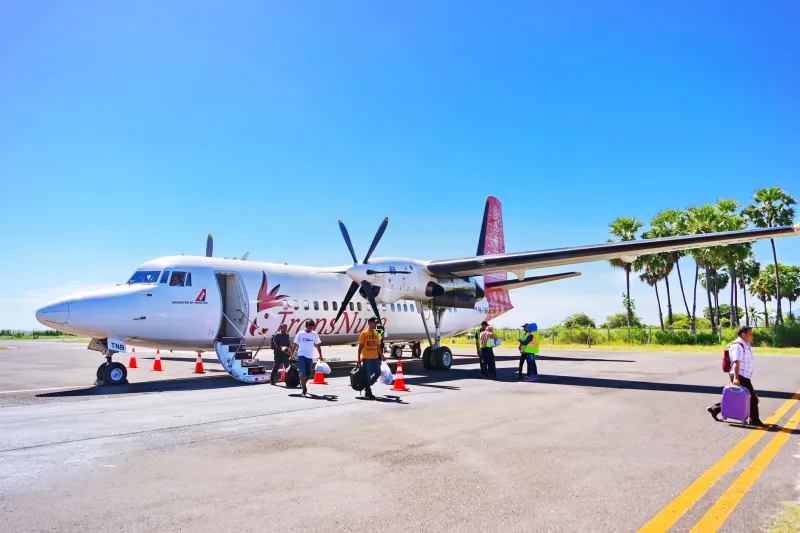
Every fall, a predictable wave of Americans flees the frost. They land in Tampa, Phoenix, and San Antonio with sun hats and four-month itineraries, and the airlines have learned to charge them accordingly. But the savviest snowbirds — the ones who've done this fifteen winters running — aren't paying peak migration prices. They're paying half of them.
Here's how they do it.
Stop Thinking in Round Trips
The single biggest mental shift for seasonal travelers: a round-trip ticket is two one-way tickets wearing a trench coat. Airlines price them as a bundle, and that bundle rarely favors someone staying three months.
"I haven't bought a round trip in a decade," says Margaret, 71, who splits winters between her daughter's place in Sarasota and summers in Ohio. "I book the southbound flight in one transaction and the northbound in another, sometimes on different airlines, sometimes weeks apart."
Why does this work? The fall rush south is expensive, but the January rush north — when snowbirds' friends and family visit, and northerners flee for their own vacations — flows the other way. Booking each leg when its own route is cheap, rather than accepting a bundled price, routinely saves Margaret $200 to $300 per winter.
Ride the Reverse Route
This is the strategy airlines hope you never notice: when everyone's flying one direction, the opposite direction gets cheap.
Snowbird-heavy routes — Chicago to Fort Lauderdale, Minneapolis to Phoenix, Detroit to Orlando — spike in October and November southbound. But the same planes flying the reverse direction are often half-empty, and fares reflect it. A traveler willing to position themselves cleverly can fly into a cold-weather city in peak winter for a fraction of the price, then use points or a cheap connecting hop to complete the trip.
Even simpler: if you're flexible on where you winter, watch which warm-weather cities are underbooked. Tampa in January is a madhouse. Harlingen, Texas? Not so much. Same sunshine, dramatically different fare.
The October and January Sweet Spots
Timing matters more for snowbirds than almost any other traveler group, and the calendar is lopsided:
- October departures beat November and December prices badly. Early birds catch the last of the shoulder season, and the same Florida flight that costs $340 in mid-December might run $160 in early October.
- Midweek matters double down south. Tuesday and Wednesday departures are the standard advice, but for snowbird routes the spread is wider — weekend flights in peak season can carry a $100+ premium because that's exactly when retirees with flexible schedules don't need to fly.
- Return in April, not March. Spring break and Easter compress March pricing. Pushing the northbound flight to mid-April, when the snowbirds' crowd has thinned, consistently lands fares 30–40% lower.
Stack, Don't Settle
The real pros combine all of it. A typical winning winter looks like this: a one-way southbound flight booked in August for an early October departure on a Tuesday, a northbound one-way booked separately for mid-April, both on whichever carrier happens to be running the route cheaply that season — because in sunbelt markets, the low-cost carrier presence shifts year to year.
Add a checked-bag comparison before booking (the cheapest sticker fare isn't always cheapest with two bags of winter clothes), and consider airport alternatives: Oakland Park instead of Miami, Mesa instead of Phoenix proper.
One Last Thing: Your Age Has Perks
Several carriers offer senior fares that never show up in standard search results — you often have to call or check a box on the airline's own site. They're not always cheaper than online deals, but on snowbird routes they occasionally are. Worth the five-minute phone call before you book.
The migration south doesn't have to come with a migration-sized bill. The retirees saving hundreds aren't lucky — they're just flying against the flock.