Your Airline's Website Is Not Your Friend: The Hidden Pricing Tricks That Cost You Money
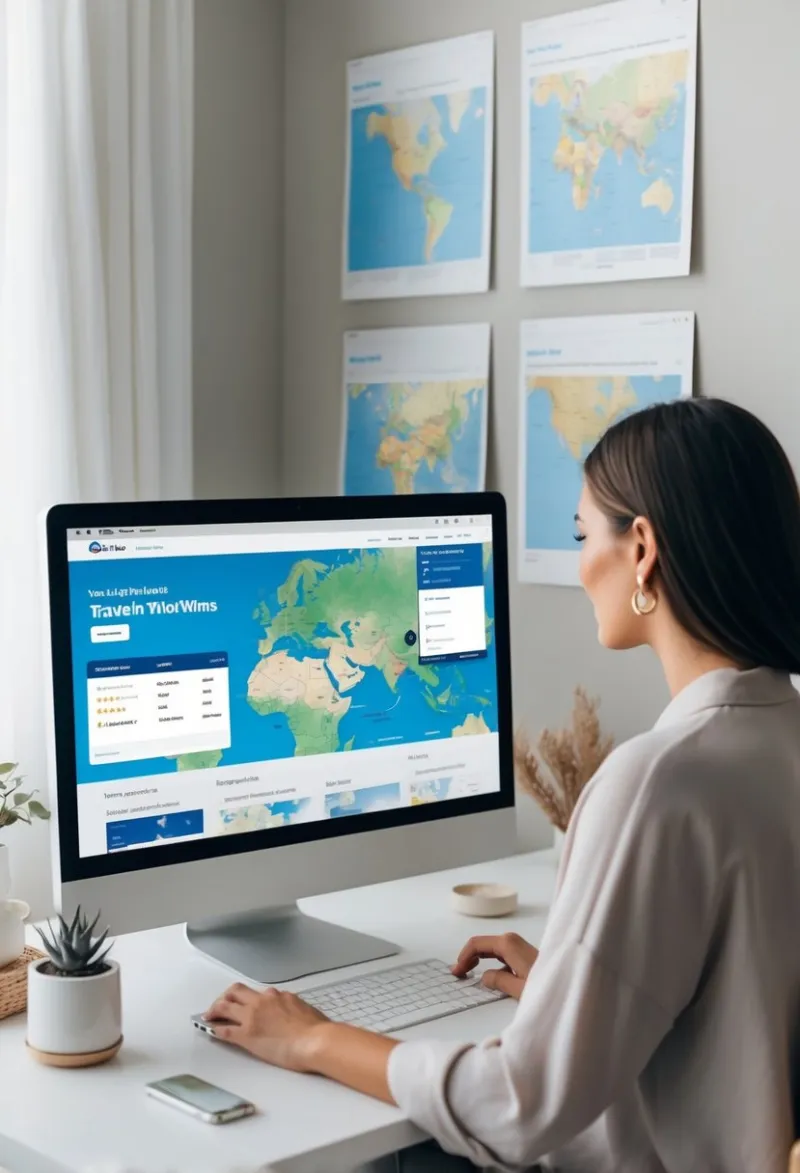
Photo: person comparing flight prices on laptop and phone travel booking, via reluctantfrugalist.com
There's a deeply held travel belief that booking directly on an airline's website is the smart, safe, and cheapest move. It feels logical — cut out the middleman, go straight to the source, done. Airlines have spent years reinforcing this idea, plastering "Book Direct for the Best Price" banners across their homepages.
Here's the uncomfortable truth: that banner is marketing, not a guarantee. And for millions of American travelers, buying into it without question is costing real money on every trip.
The 'Direct Is Cheapest' Myth, Explained
Airlines love direct bookings for one simple reason — they don't pay a commission to a third party. That's great for their margins. But somewhere along the way, "we prefer direct bookings" got quietly repackaged as "direct bookings are always cheapest," and most people never stopped to question it.
The reality is messier. Airline pricing isn't a static list posted on a bulletin board. It's a living, breathing algorithm that adjusts based on demand, route competition, time of day, your location, your device, and yes — your browsing history. The fare you see isn't necessarily the fare your neighbor sees when they search the exact same flight five minutes later.
Cookies, Caches, and the Price That Follows You Around
If you've ever searched for a flight, closed your browser, come back the next day, and noticed the price seemed to creep up — that's not a coincidence or paranoia. It's a documented pricing behavior tied to tracking cookies.
When you visit an airline's website, it stores data about your search in your browser. Some fare engines interpret repeat visits as a signal of high intent — basically, you keep coming back, so you're probably going to buy. In response, the algorithm may nudge prices upward, banking on the fact that urgency has set in and you're less likely to walk away.
The fix is simple but easy to forget: always search for flights in a private or incognito browser window. This strips out stored cookies and gives you a cleaner, often lower starting price. It's a two-second habit that can save you $30, $50, or more on a single booking.
Geo-Targeting: Where You Are Changes What You Pay
Here's a pricing wrinkle that catches a lot of travelers off guard. Airlines and booking platforms use your IP address to detect your general location — and they don't always show every user the same fares.
This practice, called geo-targeting, was originally built to serve region-specific promotions. But it also means that fares priced in different currencies or marketed to different geographic audiences sometimes don't surface when you're browsing from a US IP address. Deals promoted through overseas affiliates or regional sales occasionally slip through the cracks of what the domestic site displays.
Using a VPN to browse from a different country's IP address is one workaround some savvy travelers swear by — though results vary by airline and route. At minimum, it's worth knowing the system isn't showing you a neutral, universal price list.
Why Meta-Search Engines Often Win the Price Game
This is where flight aggregators and meta-search tools genuinely earn their keep. Platforms that pull fares from dozens of sources simultaneously — including airline sites, global distribution systems, and consolidator inventory — often surface prices that never appear when you go directly to the airline.
How? A few reasons. First, airlines sometimes offer lower fares through certain distribution channels to stay competitive without publicly advertising a price drop on their own site. Second, aggregators can identify routing combinations — like splitting a trip across two carriers — that a single airline's booking engine would never suggest because it only sells its own seats. Third, comparison tools let you see the true spread of prices side by side, so you're not anchoring to the first number an airline shows you.
The key is using aggregators as a research tool, not just a booking shortcut. Search broadly, note the lowest fares you find, then verify what the airline's own site shows in a fresh incognito window. The gap between those two numbers tells you a lot.
Dynamic Pricing and the Time-of-Day Factor
Airline pricing algorithms don't sleep. Fares shift throughout the day based on how many seats have sold, what competitors are doing, and how close the departure date is getting. A fare you check at 7 a.m. on Tuesday might be $40 cheaper or more expensive than the same seat at 9 p.m. that same night.
There's no magic hour that's universally cheapest — that's a persistent travel myth. But there is value in checking fares at multiple points during the day rather than locking in on the first number you see. Set a price alert through an aggregator, let the algorithm track the route for you, and book when the data tells you it's a genuine low — not just when the airline's homepage countdown timer tells you "only 3 seats left at this price."
Speaking of which: those urgency warnings are a psychological pressure tool. Seat counts shown on booking pages aren't always transparent about what's actually available across all fare classes. Treat them with healthy skepticism.
How to Actually Verify You're Getting the Lowest Fare
Here's a practical checklist before you hit "confirm" on any flight:
1. Search incognito first. Always. No exceptions. Clear cookies or use a private window before you start any fare search.
2. Run the same search on at least two aggregators. Different platforms pull from different data sources. What one misses, another might catch.
3. Check the airline directly — but after you know the market rate. Once you've established a baseline from aggregators, go to the airline's site in a fresh incognito window. If they're cheaper, great. If not, you know.
4. Look at nearby airports. Flying into or out of an alternate airport within driving distance sometimes unlocks significantly lower fares, especially on routes served by budget carriers that don't appear prominently on major airline sites.
5. Check if booking fees apply. Some third-party platforms add service charges at checkout. Factor those in before declaring a winner. A $10 cheaper base fare with a $15 booking fee isn't actually cheaper.
The Bottom Line
Booking directly with an airline isn't inherently bad — sometimes it genuinely is the cheapest option, and there are real benefits like easier itinerary changes and direct customer service contact. But walking onto an airline's website with the assumption that you're automatically getting the best deal is a mindset that costs American travelers millions of dollars a year, collectively.
The smarter play is to treat airline websites as one data point in a broader search, not the final word. Use the tools available to you — aggregators, incognito browsing, price alerts — and let the actual fare data guide your decision. The lowest price is out there. It just might not be where the airline wants you to look.