We Followed Five Travelers Who Ditched Checked Bags for a Year — They Each Saved About $600
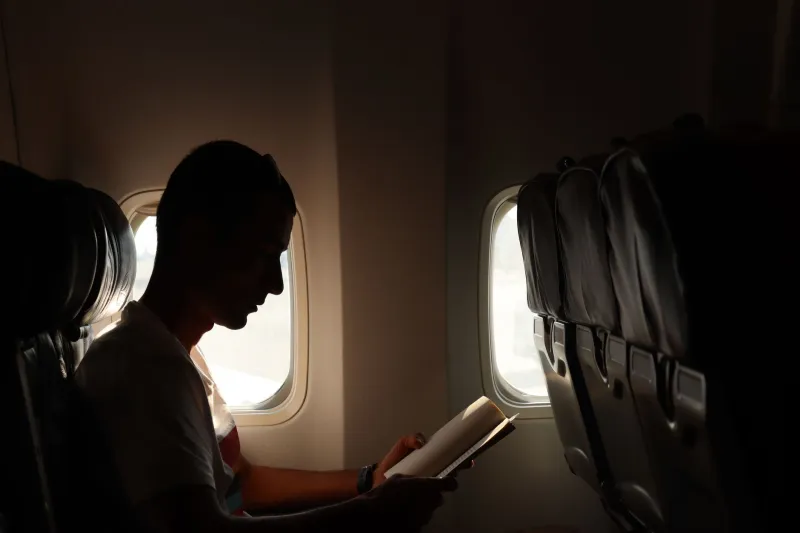
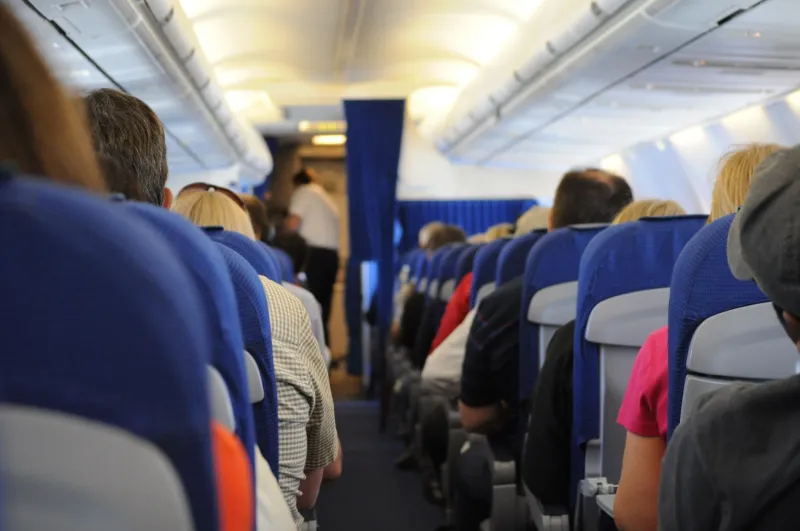
Last January, five travelers from Phoenix to Portland made each other a bet over a group text: fly for a full year with nothing but a personal item. No roller boards jammed into overhead bins, no $40 checked bag fees, no gate-check roulette. Just one backpack or duffel that fits under the seat.
Twelve months and 87 flights later, the group tallied their numbers. The average savings? Just under $600 per person — and not all of it came from where you'd expect.
Where the $600 Actually Came From
The obvious win was bag fees. Between the group's mix of legacy carriers and budget airlines, checked bags ran $35 to $50 each way. Across an average of 14 round trips per person, that alone accounted for roughly $450.
The rest came from places nobody predicted:
- Fare flexibility. Two of the five found that basic economy fares — the cheapest tier on most US airlines — became viable again once they weren't worried about baggage allowances. On one Denver-to-Orlando run, that was a $70 difference.
- Time. Skipping bag drop shaved 15–25 minutes off airport arrivals, which meant later departures from home and fewer parking fees.
- Gate-check saves. When overhead bins filled up, travelers with only personal items never got voluntold to check anything — or pay for the privilege.
One traveler, a nurse who flies to visit family in Atlanta every six weeks, put it simply: "I stopped paying the airline a rental fee for my own clothes."
The Packing System Showdown
Going personal-item-only lives or dies on your packing method. The group tested four popular systems, and the winner surprised nobody who's ever repacked a bag in an airport bathroom.
Packing cubes (the group favorite). Compression cubes let two travelers fit 10 days of clothing into a 35L backpack. The key was one cube for tops, one for bottoms, one for the "everything else" drawer of chargers and snacks.
The roll-and-stuff method. Cheapest option, decent results, but by day five everything looked like it had been slept in. Fine for the traveler who lived in hotel gyms and didn't care.
One-bag capsule wardrobes. The most disciplined approach: three color-coordinated outfits, washed in the sink. This traveler saved the most money overall but admitted, "I wore the same two shirts in every photo from 2025."
The vacuum bag experiment. One traveler swore by compression vacuum bags that flatten clothes with a straw. Great for volume, terrible for wrinkles, and one burst open mid-TSA-check in Seattle.
Which US Airlines Actually Enforce the Personal Item Rule
Here's the part that matters: not all personal item policies are enforced equally, and the group learned the hard way who checks and who shrugs.
- Spirit and Frontier measure. Sizers are at the gate, and an oversized personal item can run you up to $99 on the spot. Their published dimensions (roughly 18 x 14 x 8 inches) are the strictest in the US.
- Allegiant is similarly strict but slightly more forgiving on soft-sided bags that compress.
- American, Delta, and United technically allow one personal item plus a carry-on, so the personal-item-only approach is a non-issue — though basic economy on United restricts full-size carry-ons on some routes.
- Southwest remains the outlier with two free checked bags, making the whole challenge somewhat moot for their flyers.
The group's rule of thumb: if you're flying a budget carrier, bring a soft bag that squishes into the sizer. Hard-shell anything is asking for trouble.
When Paying for the Bag Is Actually the Smarter Move
The challenge wasn't dogma — all five travelers broke it at some point, and they're glad they did.
The clearest exception: long trips with gear. A two-week ski trip to Salt Lake City with boots and a parka? The $45 checked bag beat wearing ski socks on the plane. Same for anyone traveling with car seats, gifts, or a wedding dress.
The second exception: family travel math. One traveler flying with her sister realized that splitting a single large checked bag cost less than the time and stress of managing two overstuffed backpacks through a connection in Charlotte.
And the third: credit card perks. Travelers holding airline-branded cards or premium travel cards often get a free checked bag baked in. If you're paying an annual fee anyway, the challenge's math changes completely — check your card benefits before you suffer through a 12-day trip on a personal item.
The Verdict After 87 Flights
Nobody in the group is going back to checking a bag on routine trips. The savings were real, but the bigger payoff was psychological: no baggage claim carousels, no lost-luggage claims, no arriving at the airport 90 minutes early for no reason.
If you want to try it, start small. Take the personal-item-only challenge on your next short hop — a weekend in Nashville, a quick flight to see the folks. Pack with compression cubes, check your airline's sizer dimensions before you leave, and do the fee math honestly.
Worst case, you check a bag at the gate. Best case, you join the five travelers who collectively kept $3,000 out of airline fee departments in a single year.