Give Up Your Seat, Get Paid: The Gate Game That's Quietly Funding Free Flights
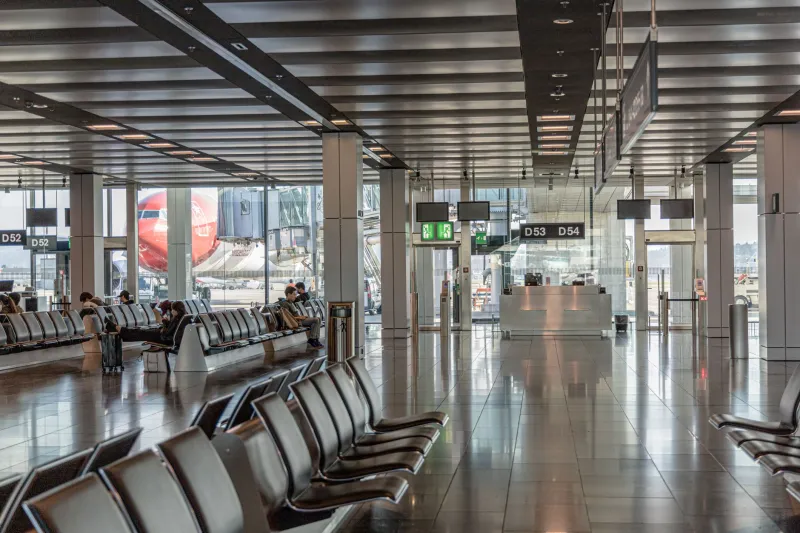
Somewhere between the shrinking legroom and the disappearing free snacks, one corner of air travel has quietly gotten better for passengers: the volunteer bump. With airlines running fuller planes than ever in 2025 and schedules stitched tight enough that a single late aircraft can cascade across half the country, gate agents are increasingly desperate for a few willing souls to give up their seats. And they're willing to pay for it.
The catch? The travelers who walk away with $600 vouchers and meal cards aren't lucky. They're prepared. Here's how to join them.
Why the Money Got Better
When a flight is overbooked, airlines first ask for volunteers. If not enough people step up, they involuntarily deny boarding — and under Department of Transportation rules, that triggers cash compensation of up to $2,150 depending on delay length. Airlines would much rather avoid that scene, so the voluntary offers have crept upward. What used to be a $200 voucher and a pat on the back is now routinely $400, $600, sometimes $1,000 or more on oversold holiday routes.
The math is simple: a voucher that costs the airline little keeps them from owing real cash to a bumped passenger with a lawyer-friendly complaint. You're not being scammed, exactly. You're being out-negotiated by people who do this every day — unless you learn the playbook.
Position Yourself Before the Agent Even Asks
Voluntary bumping rewards the prepared. A few habits separate the paid from the passed-over:
- Book flights that historically run full. Sunday afternoons, Monday mornings, Friday evenings, and the days around Thanksgiving are bump goldmines. So are routes with limited daily frequencies — if there's only one more flight tonight, the offer climbs fast.
- Check in early and be at the gate early. Many agents work the standby list in order, and asking about the flight's load status the moment you arrive signals interest without committing.
- Travel light. If your bag is checked, you're a harder yes. Carry-on only travelers are the easiest to rebook.
- Sit within eyeshot of the podium. Offers sometimes go to whoever makes eye contact first. This is not the row to nap in.
The Negotiation Nobody Tells You About
Here's the secret: the first offer is a floor, not a ceiling. Gate agents often have discretion to go higher, especially as departure time approaches and the flight still shows a full cabin.
Politely ask: "Is that the best you can do? I've got some flexibility." Mention specifics — a meal voucher, a seat on a confirmed later flight, priority on the next departure. If the next flight isn't until morning, ask about a hotel. If the delay stretches past a certain point, you may qualify for more under the airline's own policies.
One rule of thumb from seasoned seat-droppers: don't volunteer until you know the next available seat. A $500 voucher is worthless if it costs you two days in Dallas.
From Vouchers to Vacation
Vouchers are the currency of the bump economy, and they stack. A couple who flies out of a busy hub like Chicago O'Hare or Atlanta twice a year, volunteering on two or three flights annually, can easily bank $1,500 in airline credit — enough to cover a flight to visit grandkids in Phoenix or a spring trip to Orlando.
The key is treating vouchers like cash: know the expiration date, know the restrictions (some are limited to specific fare classes), and book early before the good seats are claimed by voucher holders.
Know When to Say No
Volunteering isn't always smart. If you're flying for a wedding, a cruise departure, or a connection with no slack, the voucher won't cover the fallout. And never take a deal that puts you on standby without a confirmed seat — "we'll get you out tomorrow, probably" is not a plan.
But for the flexible traveler — the retiree with an open week, the remote worker whose office is a laptop, anyone visiting family rather than a deadline — the gate is quietly one of the last places in aviation where the odds tilt back in your favor. All you have to do is show up early, pack light, and raise your hand.
Your next flight might literally pay for the one after it.