Sign-Up Bonus or Frequent Flyer Program: Which One Actually Banks You More Free Flights in 2025?
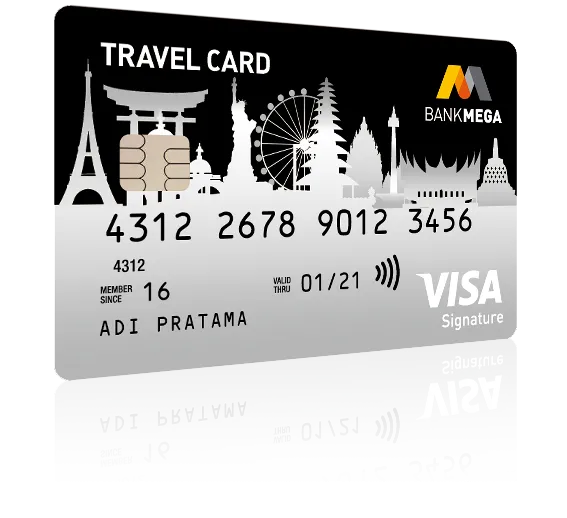
Photo: Bank Mega, CC BY-SA 4.0, via Wikimedia Commons
Free flights sound simple. Fly a lot, earn miles, redeem for a ticket. Or maybe: open a travel card, snag a big welcome bonus, fly for free. Both paths exist. Both work. But in 2025, they don't work equally well for everyone — and picking the wrong lane could mean leaving a lot of value on the table.
Let's break this down the way we like to do things at SkyDeal Fares: practically, honestly, and with an eye toward actually getting you on a plane without draining your wallet.
The Two Paths, Defined
Airline loyalty programs are the frequent flyer clubs run directly by carriers — Delta SkyMiles, United MileagePlus, American AAdvantage, Southwest Rapid Rewards, and so on. You earn miles by flying (and sometimes through co-branded credit cards or shopping portals), and you redeem them for flights within that airline's network.
Travel credit card sign-up bonuses are the welcome offers banks dangle to get you to open a new card — think 60,000 to 100,000 points after hitting a spending threshold in the first few months. Cards like the Chase Sapphire Preferred, Capital One Venture X, and American Express Platinum operate in this space. Their points are typically transferable to multiple airline programs or redeemable through the card's own travel portal.
These two paths overlap — most airline co-branded cards feed directly into a loyalty program — but they're worth comparing as distinct strategies.
The Sign-Up Bonus Case: Front-Loading Your Free Flight
Let's talk raw numbers. A 75,000-point welcome bonus on a transferable rewards card, valued conservatively at 1.5 cents per point, is worth roughly $1,125 in travel. That's often enough for a round-trip domestic ticket and sometimes a one-way international fare — before you've even boarded a single flight for the card.
For travelers who don't fly frequently, this front-loading effect is huge. If you're taking two or three trips a year, you're not going to accumulate meaningful miles through flying alone. But a sign-up bonus? That's immediate, tangible value.
The 2025 credit card landscape has also gotten more competitive. Several issuers have bumped welcome offers and sweetened ongoing earning rates on travel and dining — categories where most Americans spend consistently. Here's what makes the card route particularly powerful right now:
- Flexibility: Points from cards like Chase Ultimate Rewards or Amex Membership Rewards transfer to a dozen or more airline programs. If one program devalues or raises award prices, you're not locked in.
- Spend-based earning: You're earning on groceries, gas, and restaurant tabs — not just plane tickets. A household spending $4,000 a month on a 2x travel card earns 96,000 points annually from everyday life.
- Stacking bonuses: Responsible card churners (those who can manage the credit impact and spending requirements carefully) can open multiple cards over time, compounding free travel at a rate no loyalty program can match.
The Loyalty Program Case: Depth Over Speed
Here's where frequent flyer programs punch back. If you fly regularly — say, 25,000 or more miles per year — loyalty programs reward you in ways credit cards simply can't replicate.
Elite status is the big one. Hit the right tier with Delta, United, or American, and you unlock complimentary upgrades, priority boarding, waived bag fees, and bonus miles on every flight. A Silver Medallion member on Delta earns miles at a multiplied rate compared to a basic economy passenger. Over a year of frequent travel, that gap compounds significantly.
Loyalty programs also offer redemption sweet spots that cards can't always access. Saver-level award space — the cheapest redemption tier — is often reserved for program members booking directly through the airline. A Chase portal might let you book any seat, but you'll pay full mileage equivalent. A SkyMiles member who books early might snag a domestic round trip for 15,000 miles when the portal equivalent costs 25,000 points.
For business travelers or anyone whose employer pays for flights (meaning they're racking up personal miles on someone else's dime), loyalty programs are almost always the better primary strategy.
Real Scenarios: Who Wins?
Scenario 1 — The Occasional Traveler (2-3 flights/year) This person isn't hitting elite status anytime soon. Their best move: pick up one or two travel credit cards with strong sign-up bonuses, use transferable points for flights, and treat loyalty programs as a secondary benefit rather than a strategy. Winner: credit card bonuses.
Scenario 2 — The Road Warrior (50,000+ miles/year) This traveler is already earning miles fast through flying. Elite status perks — free upgrades, lounge access, waived fees — add thousands of dollars in annual value. Loyalty programs are the backbone here; cards are a supplement. Winner: airline loyalty programs.
Scenario 3 — The Middle-Ground Traveler (10-20 flights/year) This is most American travelers. The smart play is a hybrid: one or two co-branded airline cards that feed a single loyalty program (building toward mid-tier status) plus one transferable-points card for flexibility. Both strategies reinforce each other. Winner: it's a tie — and a deliberate one.
What to Watch in 2025
A few developments are reshaping this comparison right now:
- Dynamic award pricing has hit nearly every major US carrier. Delta, United, and American have all moved away from fixed award charts, meaning redemption costs fluctuate with demand. This erodes the predictability of loyalty programs but doesn't eliminate their value.
- Credit card annual fees are rising, but so are the perks attached to them. The math still pencils out for most active travelers — but do the calculation for your own spending before assuming a $550 annual fee card is worth it.
- Transfer bonuses from card programs to airlines pop up several times a year. Timing a transfer during a 30% bonus period can stretch your points significantly.
The Bottom Line
There's no universal winner here — and anyone telling you otherwise is selling something. Credit card sign-up bonuses are the fastest path to free flights for infrequent travelers. Loyalty programs are the better long game for people who live on planes. And for everyone in between, a thoughtful blend of both is almost always the highest-value play.
The goal at SkyDeal Fares has always been simple: fly more, pay less. Whether you get there through a welcome bonus or a decade of elite status, the destination is the same.