Frequent Flyer Points Are Shrinking: What Your Miles Are Really Worth in 2025
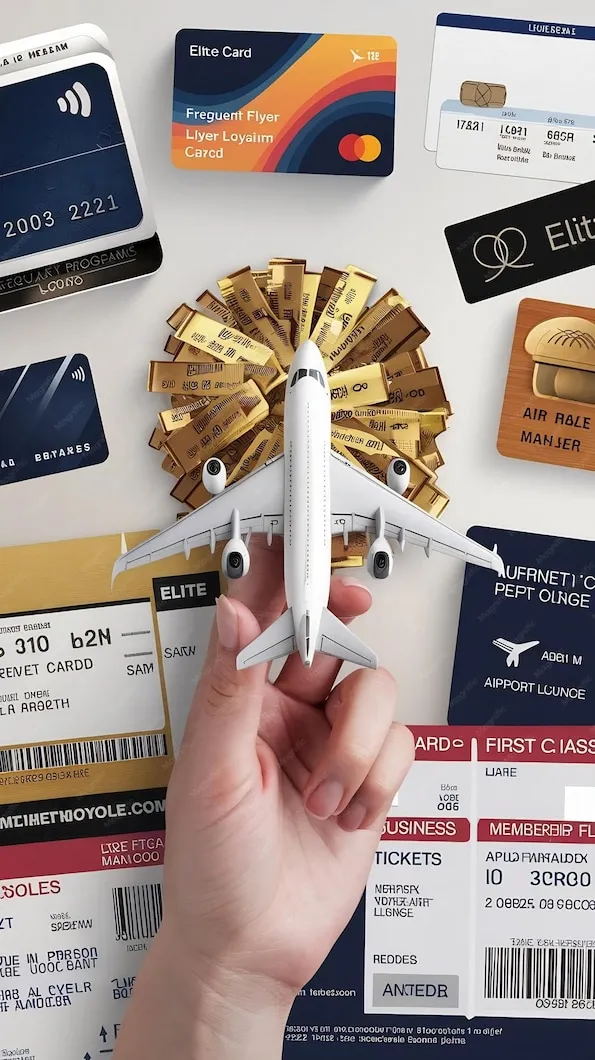
Photo: airline loyalty points miles reward card travel concept, via img.freepik.com
Let's be honest: that stack of frequent flyer miles sitting in your account probably isn't worth what you think it is. Airlines have spent the better part of the last decade quietly engineering their loyalty programs to look generous on the surface while delivering less and less actual value underneath. If you've ever gone to redeem points and felt like the goalposts moved overnight — congratulations, they probably did.
At SkyDeal Fares, we're all about helping you stretch every travel dollar. So today we're pulling back the curtain on the loyalty point game, naming names when it comes to programs that have become money pits, and giving you the specific moves that still squeeze real value out of your miles.
How Airlines Quietly Shrink the Value of Your Points
The most important thing to understand is that airline miles are not a currency with a fixed exchange rate. They're more like store credit at a shop that reserves the right to raise prices whenever it feels like it — and does.
Over the past decade, the major US carriers have made a series of moves that collectively gutted point values:
Dynamic award pricing is the biggest culprit. Programs like Delta SkyMiles and United MileagePlus have largely abandoned fixed award charts in favor of "dynamic" pricing, where the number of miles required for a flight fluctuates based on demand, cash price, and — let's be real — whatever the algorithm decides that day. A domestic round-trip that once cost a predictable 25,000 miles might now run you 40,000 or even 60,000 depending on when you search.
Devaluations disguised as "enhancements." Airlines love announcing program changes as improvements. In reality, most of these updates quietly increase the points required for popular routes, eliminate partner redemption sweet spots, or shrink the window for good-value awards. American AAdvantage, for example, has made several rounds of changes that reduced the value of long-haul partner redemptions — historically one of the best ways to use miles.
Expiration policies and activity requirements are another slow leak. Many programs require account activity within 12 to 24 months to keep points alive. Miss that window and your balance can disappear entirely.
Which Programs Are Still Worth Your Loyalty
Not all loyalty programs are created equal in 2025. Here's a quick breakdown of where things stand for US travelers:
Alaska Airlines Mileage Plan remains one of the strongest domestic programs, mostly because it still maintains partner award charts with some genuinely excellent redemption rates — particularly on international partners like Cathay Pacific, Japan Airlines, and Finnair. If you're based on the West Coast or travel frequently through Seattle, this program deserves serious attention.
Southwest Rapid Rewards is a solid pick if you fly Southwest regularly and value simplicity. Points are tied directly to cash fare prices, so there's no complex award chart to decode. The companion pass — which lets a designated person fly free with you for up to a year — is one of the most underrated perks in domestic travel if you hit the earning threshold.
Chase Ultimate Rewards and American Express Membership Rewards aren't airline programs themselves, but they deserve a mention because they transfer to multiple airline partners. That flexibility is hugely valuable when specific airline programs devalue — you can pivot your points to wherever the value is strongest at the moment of redemption.
Delta SkyMiles has a well-earned reputation as one of the harder programs to extract value from. Dynamic pricing makes it nearly impossible to predict what a redemption will cost, and the days of predictably cheap domestic awards are largely gone. Delta miles are fine if they accumulate naturally, but deliberately chasing them as a strategy is hard to justify in 2025.
United MileagePlus sits somewhere in the middle. It's moved to dynamic pricing but still has occasional sweet spots, particularly on partner airlines through the Star Alliance. Premier status holders get better award availability, which matters if you're a frequent United flyer.
The Redemption Strategies That Still Deliver
Even in a devalued landscape, there are moves that consistently outperform the average redemption.
Book international business or first class through partner programs. This is where fixed-chart programs like Alaska Mileage Plan still shine. Redeeming Alaska miles for a Cathay Pacific business class seat from the US to Asia, for instance, can deliver 5 to 7 cents per mile in value — well above the typical 1 to 1.5 cents you'd get from a domestic economy redemption.
Avoid gift cards, merchandise, and statement credits. Airlines love offering these redemption options because they're terrible for consumers. You'll typically get less than half a cent per mile in value. Never do it.
Use miles for last-minute bookings when cash prices spike. This is one area where dynamic pricing can actually work in your favor. When a flight gets expensive in cash terms close to departure, airlines sometimes keep the mile cost the same or raise it proportionally less. It's not a guaranteed win, but it's worth checking.
Transfer credit card points to airline programs strategically — not automatically. Don't transfer until you have a specific redemption in mind. Points sitting in a flexible currency like Chase or Amex are more valuable than points locked into a single airline program that could devalue overnight.
The Bigger Picture: Don't Build Your Travel Strategy Around Miles Alone
Here's the uncomfortable truth: frequent flyer programs are designed to keep you loyal to one airline, not to maximize your travel value. The best deals on any given route often come from carriers where you have zero status and zero points.
At SkyDeal Fares, we've always believed that combining smart fare searching with strategic point redemption is the real power move. Use points for high-value redemptions — international premium cabins, routes where cash prices are absurdly high — and use fare comparison tools for everything else. Chasing miles on a carrier just to maintain status, while ignoring a competitor's $150 fare advantage, is exactly the kind of loyalty tax airlines are counting on you to pay.
Your miles are an asset. Treat them like one. That means knowing their current value, redeeming them where the math actually works, and never letting brand loyalty override common sense when a better deal is sitting right in front of you.