Gate Agent Secrets: How to Score a Better Seat Without Spending a Dime on Upgrades
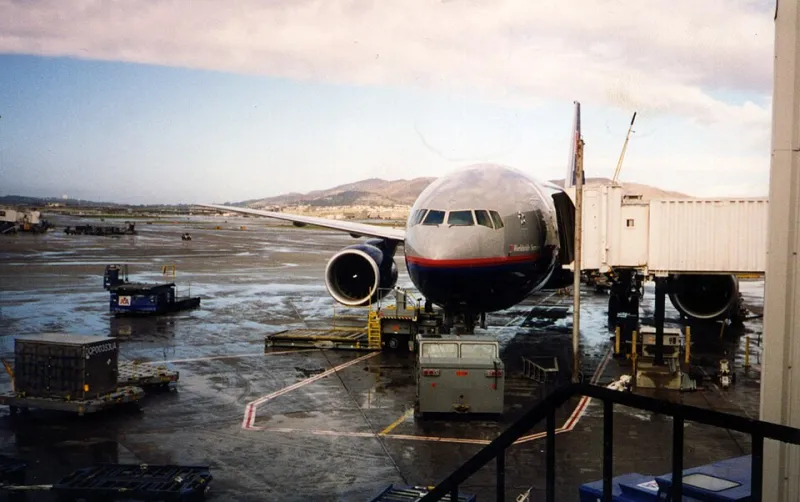
Photo: skinnylawyer from Los Angeles, California, USA, CC BY-SA 2.0, via Wikimedia Commons
Let's be honest — nobody wants to spend four hours wedged into a middle seat in row 34. But shelling out $200 or more for a premium economy or business class upgrade? That's a tough pill to swallow when you're trying to fly smart on a budget.
Here's the thing: airlines leave money on the table every single day. Unsold upgrade seats, last-minute no-shows, and gate agents with discretionary authority all create windows of opportunity for travelers who know how to play it right. You don't need elite status or a platinum credit card to benefit — though those things help. You mostly need timing, the right attitude, and a working knowledge of how airlines actually operate behind the scenes.
The Golden Window: When to Make Your Move
Timing is everything when it comes to seat upgrades, and the sweet spot is closer to departure than most people think. Airlines hold premium cabin seats until the last possible moment, hoping to sell them at full price. Once that window closes — typically 30 to 60 minutes before boarding — unsold upgrades start getting redistributed.
If you're flying domestically, check in online exactly 24 hours before your flight. Many airlines, including Delta and United, quietly release complimentary upgrade inventory to eligible loyalty members at this point. Even if you're not a frequent flyer, logging into your account and checking the seat map right at that 24-hour mark can reveal newly opened seats in premium economy that weren't available before.
At the airport, arrive early enough to speak with a gate agent before the boarding rush hits. That window between about 45 minutes and 20 minutes before departure is prime time. The gate agent knows exactly how many premium seats are still open, and they often have the authority to reassign them — especially if the main cabin is oversold or passengers have been particularly cooperative.
What to Actually Say to a Gate Agent
This is where a lot of travelers stumble. Asking for an upgrade outright can come across as entitled, and gate agents deal with demanding passengers all day long. The approach that actually works is more collaborative than transactional.
Start by being genuinely friendly — not performatively so, just normal human kindness. Gate agents are frequently underpaid, often stressed, and almost always underappreciated. A smile and a calm demeanor go a long way before you even open your mouth about seats.
When you do ask, keep it simple and low-pressure: "I noticed there are some open seats up front — any chance I could be considered if you have extras?" Leave it at that. You're not demanding; you're making yourself an easy yes. If you have a loyalty number, mention it casually. If you're celebrating something — a birthday, a honeymoon, a work milestone — mention that too. Gate agents are human, and context matters.
One travel blogger who flies 80+ times a year put it this way: "I've never gotten an upgrade by being pushy. Every single one came from being patient, pleasant, and asking at the right time."
Loyalty Program Loopholes You Might Be Missing
You don't need top-tier status to unlock upgrade benefits — you just need to know where to look. Several major US carriers offer complimentary upgrade eligibility starting at their entry-level loyalty tiers, which most travelers can reach with just one or two round trips per year.
American Airlines, for instance, extends upgrade waitlist access to AAdvantage Gold members, the lowest elite tier. United's MileagePlus Silver status works similarly. The catch is that you're on a waitlist, not guaranteed anything — but on less-traveled routes or off-peak travel days, that waitlist clears more often than you'd expect.
Credit cards co-branded with airlines are another underused tool. Many of them come with a set number of complimentary upgrades per year as a cardholder benefit, often buried in the fine print. If you're already paying an annual fee on one of these cards, dig into the benefits portal before your next trip.
The Day-of Bid Upgrade: Paying Less Than You Think
If the free route doesn't pan out, there's a middle-ground option that most travelers overlook: bid upgrades. Airlines like Delta (through its upgrade auction system) and United allow passengers to submit a below-retail bid for available premium seats. You name your price, and if it clears, you get moved up.
These bids often settle well below the published upgrade cost — sometimes 40 to 60 percent less. On a cross-country flight, that could mean paying $80 instead of $250 for a noticeably better experience. It's not free, but it's a far cry from the sticker price plastered on the booking page.
The key is to bid strategically. Flights on Tuesday and Wednesday afternoons, red-eye departures, and routes with newer aircraft (where premium inventory is larger) tend to have lower clearing prices. Avoid bidding on Friday evening flights out of major hubs — competition is fierce and prices reflect it.
Don't Overlook the Seat Map Itself
Sometimes the upgrade isn't about the cabin at all — it's about the specific seat. Exit row seats, bulkhead rows, and seats with broken middle-seat neighbors can dramatically improve your comfort without touching premium pricing.
Check the seat map again the night before your flight and again the morning of. People cancel, upgrade, and change seats constantly in the 12-hour window before departure. A quick refresh on the airline's app might reveal an open exit row that wasn't there when you first booked.
Sites like SeatGuru (now integrated into TripAdvisor) let you see exactly which seats on your specific aircraft configuration have extra legroom, better recline angles, or proximity to power outlets. A little homework before you pack your carry-on can make the difference between a miserable flight and a surprisingly comfortable one — no upgrade required.
The Bottom Line
Flying better doesn't always mean paying more. Airlines operate in a world of fluctuating inventory, last-minute decisions, and human judgment calls — and all of that creates real opportunities for travelers who know how to position themselves. Whether it's showing up at the right time, speaking to the right person, or just knowing which seat on the plane is secretly the best one in coach, the tools are out there.
At SkyDeal Fares, we're all about helping you stretch every dollar further. Sometimes the best deal isn't just the cheapest fare — it's the cheapest fare in the most comfortable seat you can reasonably get. Now go get it.